The Princess of Cleves
Folio
length
61,544 words
a few pages a day
~8 min
finished in
33 days
full read
4h 16m
At Folio's default of ten pages a day, you finish The Princess of Cleves in about 33 days — roughly 8 minutes of reading each morning.
The opening
the first pages of The Princess of Cleves, free
Grandeur and gallantry never appeared with more lustre in France, than in the last years of Henry the Second's reign. This Prince was amorous and handsome, and though his passion for Diana of Poitiers Duchess of Valentinois, was of above twenty years standing, it was not the less violent, nor did he give less distinguishing proofs of it.
As he was happily turned to excel in bodily exercises, he took a particular delight in them, such as hunting, tennis, running at the ring, and the like diversions. Madam de Valentinois gave spirit to all entertainments of this sort, and appeared at them with grace and beauty equal to that of her grand-daughter, Madam de la Marke, who was then unmarried; the Queen's presence seemed to authorise hers.
The Queen was handsome, though not young; she loved grandeur, magnificence and pleasure; she was married to the King while he was Duke of Orleans, during the life of his elder brother the Dauphin, a prince whose great qualities promised in him a worthy successor of his father Francis the First.
The Queen's ambitious temper made her taste the sweets of reigning, and she seemed to bear with perfect ease the King's passion for the Duchess of Valentinois, nor did she express the least jealousy of it; but she was so skilful a dissembler, that it was hard to judge of her real sentiments, and policy obliged her to keep the duchess about her person, that she might draw the King to her at the same time. This Prince took great delight in the conversation of women, even of such as he had no passion for; for he was every day at the Queen's court, when she held her assembly, which was a concourse of all that was beautiful and excellent in either sex.
Never were finer women or more accomplished men seen in any Court, and Nature seemed to have taken pleasure in lavishing her greatest graces on the greatest persons. The Princess Elizabeth, since Queen of Spain, began now to manifest an uncommon wit, and to display those beauties, which proved afterwards so fatal to her. Mary Stuart, Queen of Scotland, who had just married the Dauphin, and was called the Queen-Dauphin, had all the perfections of mind and body; she had been educated in the Court of France, and had imbibed all the politeness of it; she was by nature so well formed to shine in everything that was polite, that notwithstanding her youth, none surpassed her in the most refined accomplishments. The Queen, her mother-in-law, and the King's sister, were also extreme lovers of music, plays and poetry; for the taste which Francis the First had for the Belles Lettres was not yet extinguished in France; and as his son was addicted to exercises, no kind of pleasure was wanting at Court. But what rendered this Court so splendid, was the presence of so many great Princes, and persons of the highest quality and merit: those I shall name, in their different characters, were the admiration and ornament of their age.
Keep going from exactly here — Folio remembers your place and serves the next portion tomorrow.
continue reading The Princess of ClevesAbout this free edition
The Princess of Cleves by Madame de La Fayette (1634-1693) is free to read in full. Folio serves it in daily portions you can actually finish, tracks your streak and reading position across devices, and reads every page aloud with a built-in narrator. The text comes from Project Gutenberg.
More like The Princess of Cleves
The Princess De Montpensier
Folio
The Princess De Montpensier
Madame de La Fayette
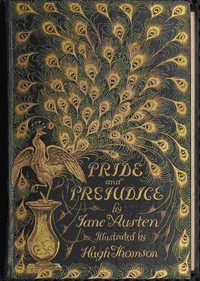
Pride and Prejudice
Jane Austen
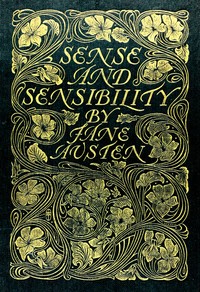
Sense and Sensibility
Jane Austen
Emma
Folio
Emma
Jane Austen
Persuasion
Folio
Persuasion
Jane Austen
Mansfield Park
Folio
Mansfield Park
Jane Austen
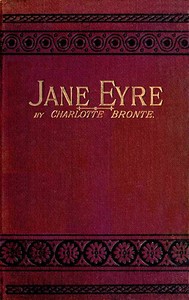
Jane Eyre
Charlotte Brontë
The Tenant of Wildfell Hall
Folio
The Tenant of Wildfell Hall
Anne Brontë